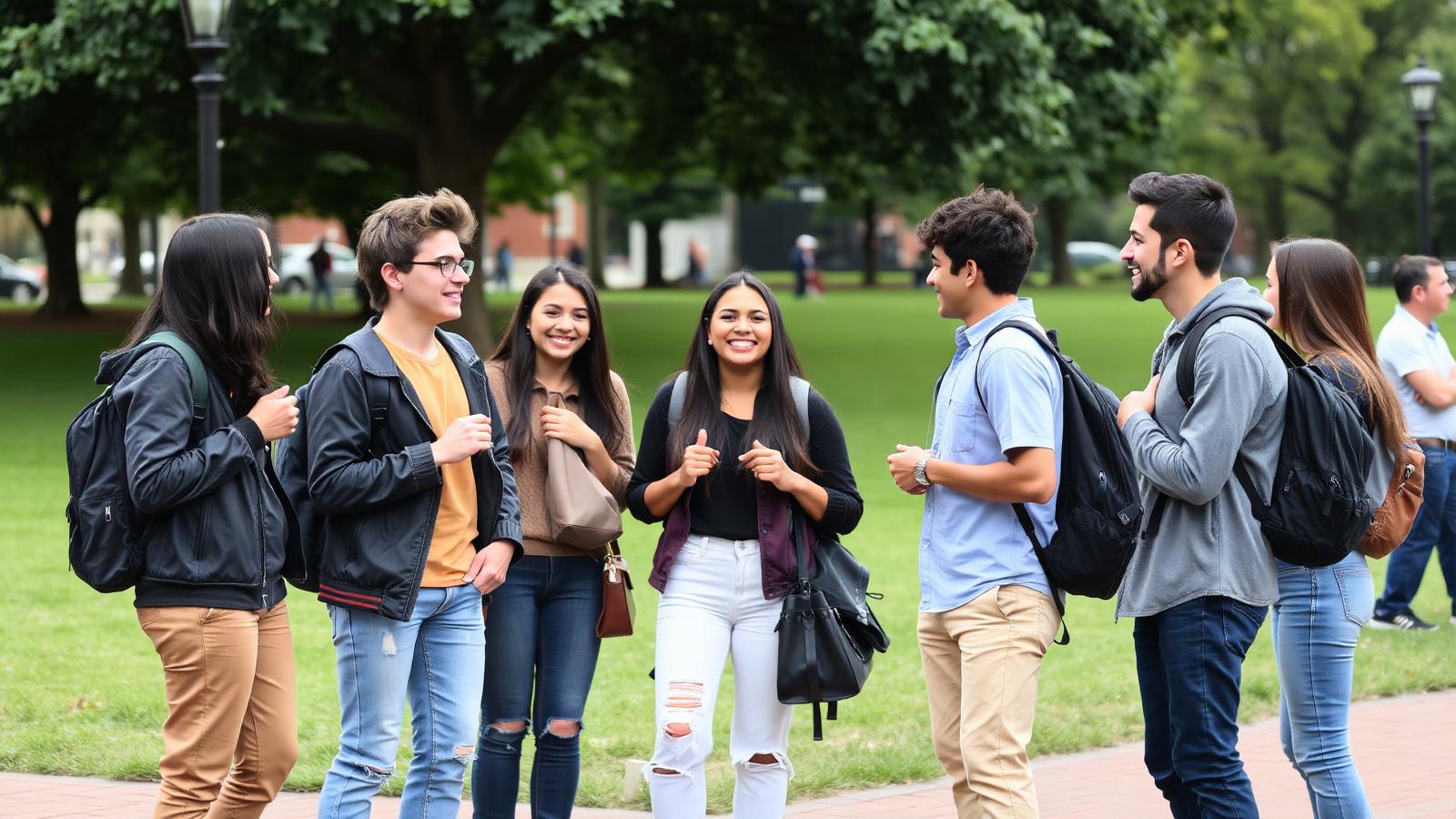
Boston is one of the most international student cities in the United States. Almost every university has students from every continent, and the city itself is full of global communities. That makes it easier to find people who understand your transition, but it also means you have to decide how much you want to integrate into the broader city and how much you want to stay in your home culture.
Start with your university's international office
Every major university in Boston has an international students and scholars office. The orientations, workshops, and socials are designed for people in your exact situation. Go to them. They are not just bureaucratic requirements; they are friendship accelerators. The people you meet in the first week often become your closest friends.
Find your cultural anchor, then build bridges
It is normal to seek out people from your home country or language group first. That community helps with homesickness, practical questions, and cultural comfort. But the students who are happiest long-term also build one bridge outside that group. Join one club, one class study group, or one volunteer activity that is not organized by nationality.
Use conversation partners and language exchanges
Many universities have conversation partner programs that match international students with domestic students or with other international students who want to practice languages. These are low-pressure, one-on-one meetings that often become real friendships. They are also a safe way to practice English without the pressure of a classroom.
Build a city routine
Boston is a city where routines create friendships. A weekly run along the Charles, a regular study spot at the Boston Public Library, a Saturday morning at the farmers market, or a Sunday walk in the Fens can put you in the same place as the same people every week. The city becomes your social infrastructure if you let it.
Explore the neighborhoods
Each Boston neighborhood has its own international community. Chinatown, the North End, Allston, East Boston, and Cambridge all have restaurants, shops, and cultural events that can make Boston feel more like home. Invite classmates to explore these neighborhoods with you. It is a natural way to share your culture and learn theirs.
Your first month plan
- Week 1: Attend international orientation and meet five people from your orientation group.
- Week 2: Join one cultural organization and one non-cultural club or activity.
- Week 3: Sign up for a conversation partner or language exchange program.
- Week 4: Plan a city outing with a mix of international and domestic students.
Common questions
- Is Boston friendly to international students? Yes. The city is used to international students, and most people are patient and welcoming.
- What if I do not speak English well? That is normal. Conversation partners and language exchange groups are designed for exactly this.
- Should I live with people from my country? It can be comforting, but living with a mix of backgrounds can accelerate your English and social life.
- How do I deal with culture shock? Give yourself time, stay connected to home, and build one small routine in Boston that feels good.
- What if I feel lonely at first? Almost every international student does. The students who get past it are the ones who keep showing up to one or two activities every week.
